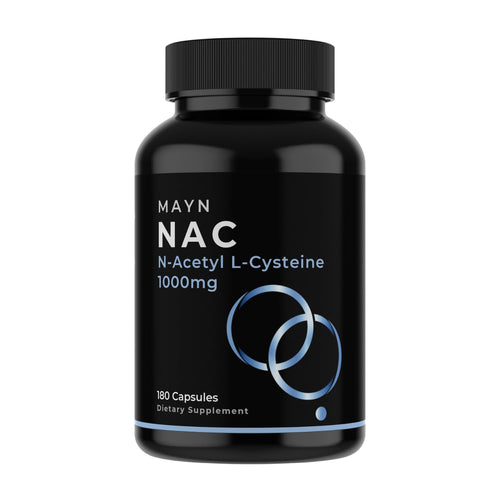
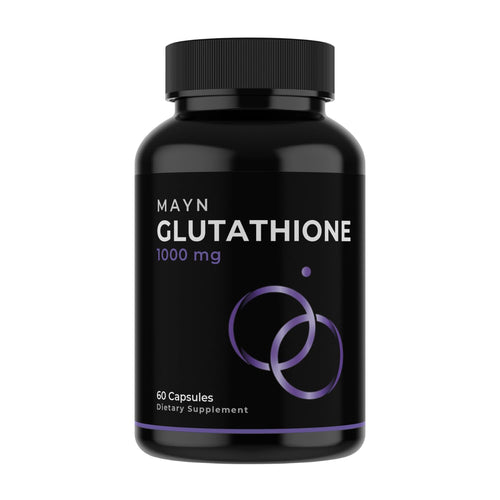
NAC and glutathione are often mentioned together, but they're different compounds. Here's a plain-English explanation of what each one is, how they're related and how they're sold.
What is NAC?
NAC stands for N-acetyl cysteine. It's a form of the amino acid cysteine with an acetyl group attached. Cysteine is one of the amino acids the body uses to build proteins, and it's naturally found in protein-rich foods such as meat, eggs, dairy and legumes.
What is glutathione?
Glutathione is a small molecule (a tripeptide) made from three amino acids: glutamate, cysteine and glycine. The body makes its own glutathione, and it's also present in foods such as asparagus, spinach and avocado.
How are NAC and glutathione related?
Cysteine is one of the three building blocks of glutathione. Because NAC provides cysteine, it's described as a precursor to glutathione. In other words, NAC supplies one of the raw ingredients, while a glutathione supplement provides the finished molecule.
NAC vs glutathione at a glance
| NAC | Glutathione | |
|---|---|---|
| What it is | A form of the amino acid cysteine | A tripeptide of glutamate, cysteine and glycine |
| Relationship | A building block (precursor) | The finished molecule |
| Common formats | Capsules | Capsules, gummies |
| Typical label amounts | 600mg to 1,000mg per serve | Varies widely; check the label |
Which should you choose?
It comes down to personal preference and what your healthcare professional recommends. Some people prefer NAC as an affordable, well-known amino acid supplement; others prefer glutathione itself. MAYN offers both:
Speak with your doctor or pharmacist before taking NAC or glutathione if you are pregnant, breastfeeding, taking medication or have a medical condition.
This article is general information, not medical advice. Always read the label and follow the directions for use. Dietary supplements should not replace a balanced diet.