Quick answer
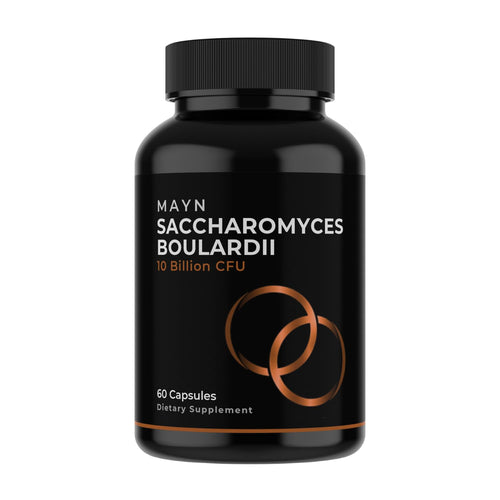
Saccharomyces boulardii is a probiotic yeast, not a bacterium. It was first isolated in 1923 by French scientist Henri Boulard from lychee and mangosteen fruit. It's sold as a supplement measured in CFU, for example 10 billion CFU per serve.
Type
A yeast (fungus), not a bacterium
Discovered
1923, by Henri Boulard
Original source
Lychee and mangosteen
Related to
Saccharomyces cerevisiae (baker's yeast)
Where did S. boulardii come from?
The story goes that Henri Boulard noticed local people in Southeast Asia chewing the skins of lychee and mangosteen. He isolated a yeast from the fruit, which was later named after him.
Yeast vs bacterial probiotics
| S. boulardii | Lactobacillus / Bifidobacterium | |
|---|---|---|
| Type of microbe | Yeast (fungus) | Bacteria |
| Counted in | CFU | CFU |
| Typical forms | Capsules, powders | Capsules, powders, fermented foods |
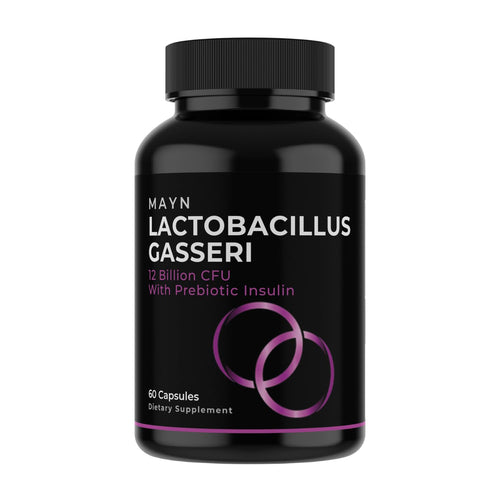
| MAYN product | S. Boulardii 10 Billion CFU | L. gasseri, L. reuteri complex |

Is S. boulardii the same as baker's yeast?
They're closely related, and some scientists classify S. boulardii as a strain of Saccharomyces cerevisiae. However, they are used very differently, and a probiotic product contains a specific, identified strain.
Tip: Check the label for the count per serve and the storage directions.
Frequently asked questions
Is Saccharomyces boulardii a bacteria?
No. It's a yeast, which is a type of fungus.
Can I take S. boulardii with other probiotics?
Many people do. Follow the label directions for each product and check with your healthcare professional if you're unsure.
How should I store S. boulardii?
Follow the storage directions on the label.
Keep reading
This article is general information only and is not medical advice. Always read the label and follow the directions for use. Dietary supplements should not replace a balanced diet. If you are pregnant, breastfeeding, taking medication or have a medical condition, speak with your doctor or pharmacist before taking a new supplement.