Quick answer
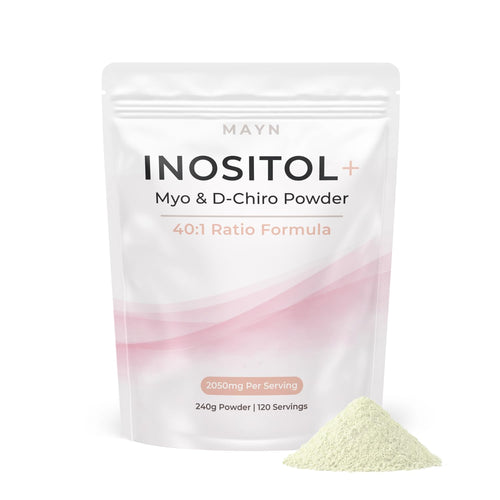
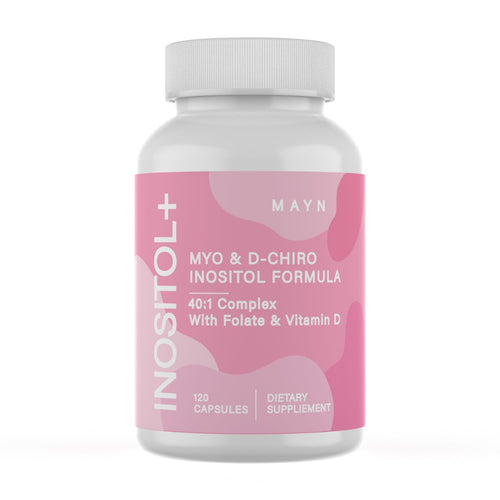
Inositol is found naturally in many foods, especially citrus fruits (oranges, grapefruit), cantaloupe, beans, wholegrains, nuts and seeds. In grains and seeds, much of it is bound up as phytate. Food provides varying amounts, while a 40:1 supplement serve provides a measured 2000mg of myo-inositol and 50mg of D-chiro inositol.
Top fruit sources
Oranges, grapefruit, cantaloupe
Other sources
Beans, wholegrains, nuts, seeds
Phytate
A bound form in grains and seeds
40:1 serve
2000mg myo + 50mg D-chiro
Foods that contain inositol
| Food | Inositol |
|---|---|
| Cantaloupe (rockmelon) | High |
| Oranges and grapefruit | High |
| Beans and lentils | Moderate to high (some as phytate) |
| Wholegrains and bran | Moderate to high (much as phytate) |
| Nuts and seeds | Moderate |
Amounts vary by variety, ripeness and processing.
What is phytate?
Phytate (inositol hexaphosphate) is a form of inositol bound to phosphate groups, common in grains, seeds and legumes. It's sometimes called IP6.

Food vs supplements
A varied diet provides some inositol each day. Supplements provide a fixed, measured amount. Compare formats in Inositol Formats Compared.
Tip: Inositol powder has a mildly sweet taste and mixes easily into water.
Frequently asked questions
Which fruit has the most inositol?
Cantaloupe and citrus fruits such as oranges and grapefruit are among the richest.
Is phytate the same as inositol?
Phytate is a form of inositol bound to phosphate groups.
Can I get 2000mg of inositol from food?
Food amounts vary widely, so it's hard to measure. Supplements provide a fixed amount.
Keep reading
This article is general information only and is not medical advice. Always read the label and follow the directions for use. Dietary supplements should not replace a balanced diet. If you are pregnant, breastfeeding, taking medication or have a medical condition, speak with your doctor or pharmacist before taking a new supplement.