Quick answer
Omega-3s are a family of fatty acids. The three main types are ALA (from plants such as flaxseed, chia and walnuts) and EPA and DHA (from oily fish and algae). The body can only convert a small amount of ALA into EPA and DHA, so labels list them separately.
ALA
Plant omega-3 (flax, chia, walnuts)
EPA and DHA
Oily fish and algae
Vegan EPA/DHA
Algae oil
Different from
Omega-7 (sea buckthorn)
EPA vs DHA vs ALA
| Omega-3 | Full name | Main sources |
|---|---|---|
| ALA | Alpha-linolenic acid | Flaxseed, chia, hemp, walnuts, canola |
| EPA | Eicosapentaenoic acid | Oily fish, fish oil, algae oil |
| DHA | Docosahexaenoic acid | Oily fish, fish oil, algae oil |
Oily fish in Australia
Australian sources of EPA and DHA include salmon, sardines, mackerel, trout and tuna. Canned salmon and sardines are budget-friendly options.
Tip: On omega-3 labels, check the milligrams of EPA and DHA, not just the total fish oil.

Omega-3 vs omega-7
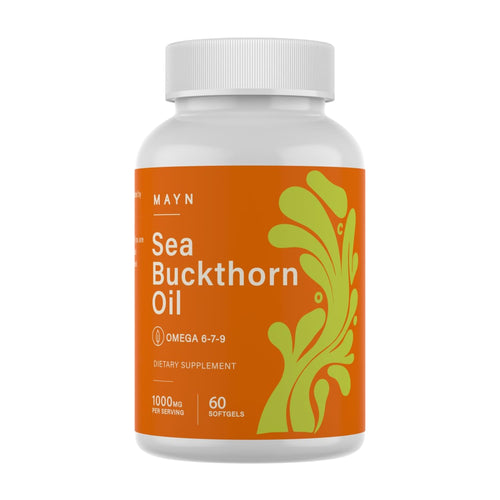
Omega-7 is a different fatty acid family, found in sea buckthorn and macadamia oil. Read What Is Sea Buckthorn Oil?
Frequently asked questions
Is flaxseed oil the same as fish oil?
No. Flaxseed provides ALA; fish oil provides EPA and DHA.
Is there a vegan source of DHA?
Yes. Algae oil provides EPA and DHA.
What does the 3 in omega-3 mean?
It describes where the first double bond sits in the fatty acid chain.
Keep reading
This article is general information only and is not medical advice. Always read the label and follow the directions for use. Dietary supplements should not replace a balanced diet. If you are pregnant, breastfeeding, taking medication or have a medical condition, speak with your doctor or pharmacist before taking a new supplement.