Quick answer
Probiotics are live microbes, such as Lactobacillus bacteria or Saccharomyces boulardii yeast. Prebiotics are fibres and compounds, such as inulin, that the microbes in your gut can use. A product that contains both is sometimes called a synbiotic.
Probiotics
Live microbes (bacteria or yeast)
Prebiotics
Fibres gut microbes can use
Synbiotic
Probiotic + prebiotic together
Example prebiotic
Inulin from chicory root
Probiotics vs prebiotics at a glance
| Probiotics | Prebiotics | |
|---|---|---|
| What they are | Live microbes | Fibres and plant compounds |
| Measured in | CFU or AFU | Grams or milligrams |
| Food sources | Yoghurt, kefir, sauerkraut, kimchi | Onion, garlic, leek, asparagus, oats |
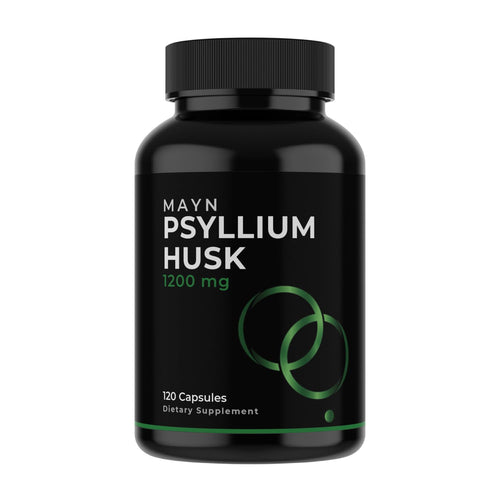
| Supplement examples | L. gasseri, L. reuteri, S. boulardii | Inulin, psyllium |
What does "synbiotic" mean?
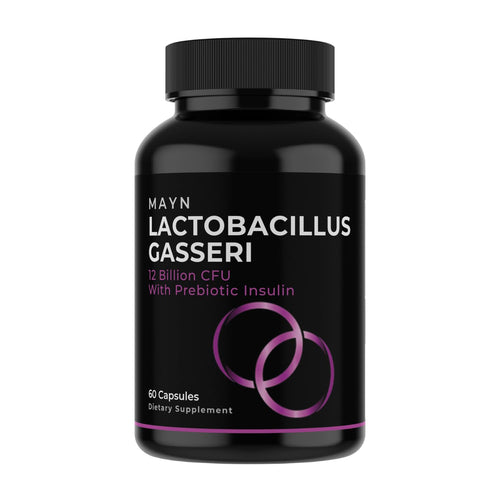
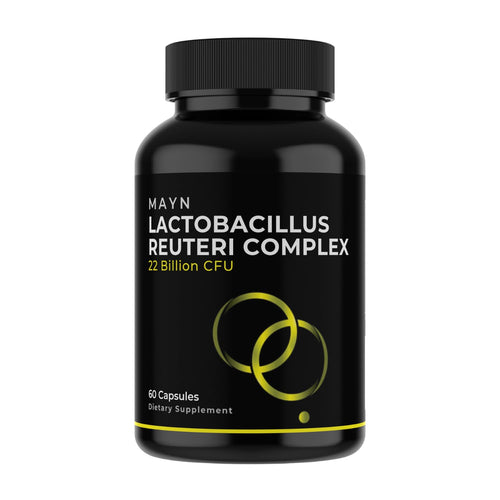
A synbiotic combines a probiotic and a prebiotic in the same product. Several MAYN probiotics add prebiotic inulin to the capsule, including Lactobacillus Gasseri, Lactobacillus Reuteri Complex and Akkermansia.
Tip: On the label, look for the microbe and its count (CFU or AFU) as well as the prebiotic and its amount in mg.

Food first
A varied diet with fermented foods and plenty of plant fibre provides both. Australia's NHMRC suggests an Adequate Intake of about 25g of fibre a day for women and 30g for men. Learn more about counts in CFU and AFU Explained.
Frequently asked questions
Is fibre a prebiotic?
Some fibres, such as inulin, are prebiotics. Not all fibre is classed as prebiotic.
Can I get probiotics from food?
Yes. Fermented foods such as yoghurt with live cultures, kefir, sauerkraut and kimchi contain live microbes.
What is a synbiotic?
A product combining a probiotic and a prebiotic.
Keep reading
This article is general information only and is not medical advice. Always read the label and follow the directions for use. Dietary supplements should not replace a balanced diet. If you are pregnant, breastfeeding, taking medication or have a medical condition, speak with your doctor or pharmacist before taking a new supplement.