Quick answer
Polyphenols are a large group of natural plant compounds found in foods such as tea, coffee, berries, cocoa and olive oil. Flavonoids are the biggest family of polyphenols. Many plant extracts, including pine bark, pomegranate, apigenin and curcumin, are rich in specific polyphenols.
Polyphenols
A large group of plant compounds
Biggest family
Flavonoids
Food sources
Tea, coffee, berries, cocoa, olive oil
Number known
Thousands
Polyphenol families and examples
| Family | Example | Found in | MAYN product |
|---|---|---|---|
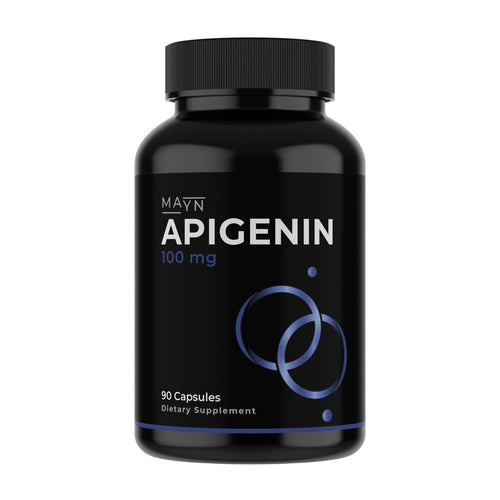
| Flavones | Apigenin | Chamomile, parsley | Apigenin 100mg |
| Procyanidins (OPCs) | Proanthocyanidins | Pine bark, grape seed, cocoa | Pine Bark Extract 200mg |
| Ellagitannins | Punicalagins | Pomegranate | Pomegranate Extract 15:1 |
| Curcuminoids | Curcumin | Turmeric | Curcumin Phytosome 1000mg |
| Flavonolignans | Silymarin | Milk thistle seeds | Milk Thistle Drops |
Polyphenols in everyday food
- Tea and coffee
- Berries, apples and grapes
- Dark chocolate and cocoa
- Extra virgin olive oil
- Herbs and spices
- Legumes and nuts

How extracts are labelled
Polyphenol-rich extracts are often standardised to a percentage of a compound, or sold as a concentrated ratio such as 15:1. See Extract Ratios Explained.
Tip: Compare the extract amount per serve and the standardisation percentage, when listed.
Frequently asked questions
Are flavonoids polyphenols?
Yes. Flavonoids are the largest family of polyphenols.
Which foods are highest in polyphenols?
Cocoa, berries, tea, coffee, herbs, spices and olive oil are among the richest.
Is curcumin a polyphenol?
Yes. Curcumin belongs to a group of polyphenols called curcuminoids.
Keep reading
This article is general information only and is not medical advice. Always read the label and follow the directions for use. Dietary supplements should not replace a balanced diet. If you are pregnant, breastfeeding, taking medication or have a medical condition, speak with your doctor or pharmacist before taking a new supplement.