Quick answer
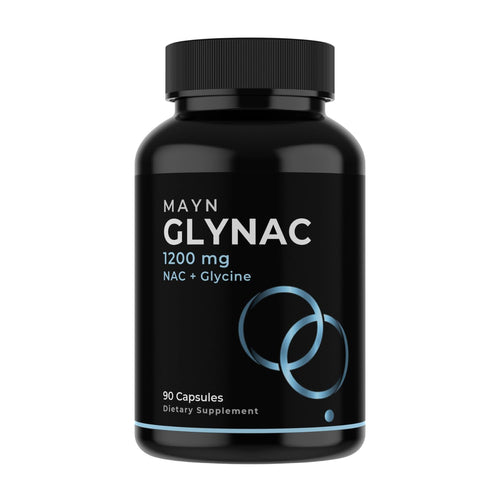
Glycine is the smallest and simplest amino acid. Your body can make it, and it's especially plentiful in collagen and gelatin, which are roughly one-third glycine. It has a naturally sweet taste, which is where its name comes from (Greek glykys, sweet). It's paired with NAC in GlyNAC supplements.
Type
Non-essential amino acid
Name origin
Greek glykys, sweet
Richest sources
Collagen, gelatin, bone broth
Paired with
NAC in GlyNAC
Where is glycine found?
| Food | Glycine |
|---|---|
| Gelatin | Very high |
| Collagen powder | Very high |
| Bone broth | High |
| Pork rind, skin-on chicken | High |
| Meat and fish | Moderate |
| Legumes and seeds | Moderate |
Glycine and glutathione
Glycine is one of the three building blocks of glutathione, together with glutamate and cysteine. That's why it's combined with NAC (a form of cysteine) in GlyNAC. Read GlyNAC vs NAC.

Why does glycine taste sweet?
Glycine powder tastes noticeably sweet, which is how it got its name. It has occasionally been used as a sweetener in food.
Tip: If you're comparing GlyNAC products, check the milligrams of glycine and NAC per serve.
Frequently asked questions
Is glycine an essential amino acid?
No. The body can make glycine.
Why is collagen high in glycine?
Collagen's structure repeats a pattern in which roughly every third amino acid is glycine.
Is glycine vegan?
Supplement glycine is usually made synthetically. Check the product label.
Keep reading
This article is general information only and is not medical advice. Always read the label and follow the directions for use. Dietary supplements should not replace a balanced diet. If you are pregnant, breastfeeding, taking medication or have a medical condition, speak with your doctor or pharmacist before taking a new supplement.