Quick answer
Carotenoids are natural yellow, orange and red pigments made by plants, algae and some bacteria. Well-known examples include beta-carotene (carrots), lycopene (tomatoes) and astaxanthin (algae and salmon). They're fat-soluble, which is why carotenoid supplements usually come in oil-filled softgels.
Colours
Yellow, orange, red
Made by
Plants, algae, some bacteria
Fat-soluble?
Yes
Examples
Beta-carotene, lycopene, lutein, astaxanthin
Common carotenoids compared
| Carotenoid | Colour | Main sources | Converts to vitamin A? |
|---|---|---|---|
| Beta-carotene | Orange | Carrots, sweet potato, pumpkin | Yes |
| Lycopene | Red | Tomatoes, watermelon | No |
| Lutein and zeaxanthin | Yellow | Leafy greens, egg yolk, corn | No |
| Astaxanthin | Deep red | Microalgae, salmon, prawns | No |
Two families of carotenoids
Carotenoids are split into carotenes (such as beta-carotene and lycopene), which contain only carbon and hydrogen, and xanthophylls (such as lutein and astaxanthin), which also contain oxygen.

Why carotenoids come in softgels
Because carotenoids dissolve in fat, supplements suspend them in an oil inside a softgel. In food, eating carotenoid-rich vegetables with a little oil helps too.
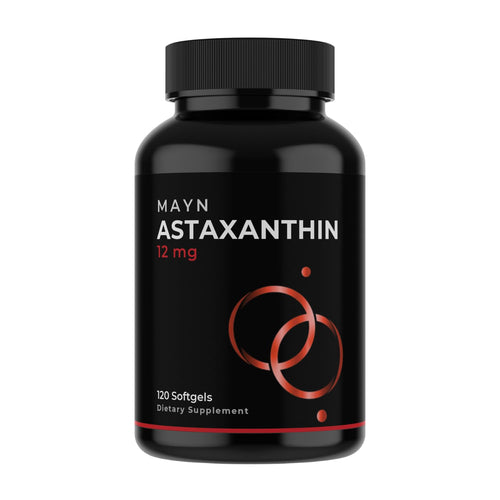
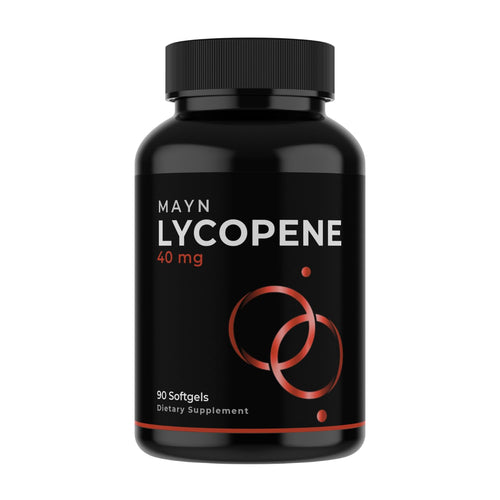
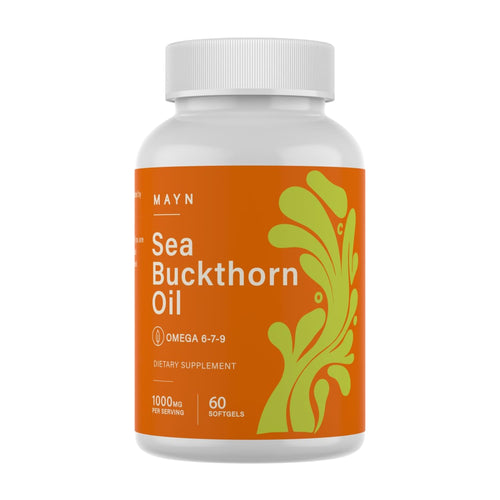
Tip: Carotenoids are strongly coloured. That's why astaxanthin softgels look almost black and sea buckthorn oil is bright orange.
Frequently asked questions
Are carotenoids vitamins?
No, but some, such as beta-carotene, can be converted into vitamin A in the body.
Why is salmon pink?
Salmon get astaxanthin from the krill and algae they eat.
How many carotenoids are there?
Hundreds have been identified in nature.
Keep reading
This article is general information only and is not medical advice. Always read the label and follow the directions for use. Dietary supplements should not replace a balanced diet. If you are pregnant, breastfeeding, taking medication or have a medical condition, speak with your doctor or pharmacist before taking a new supplement.